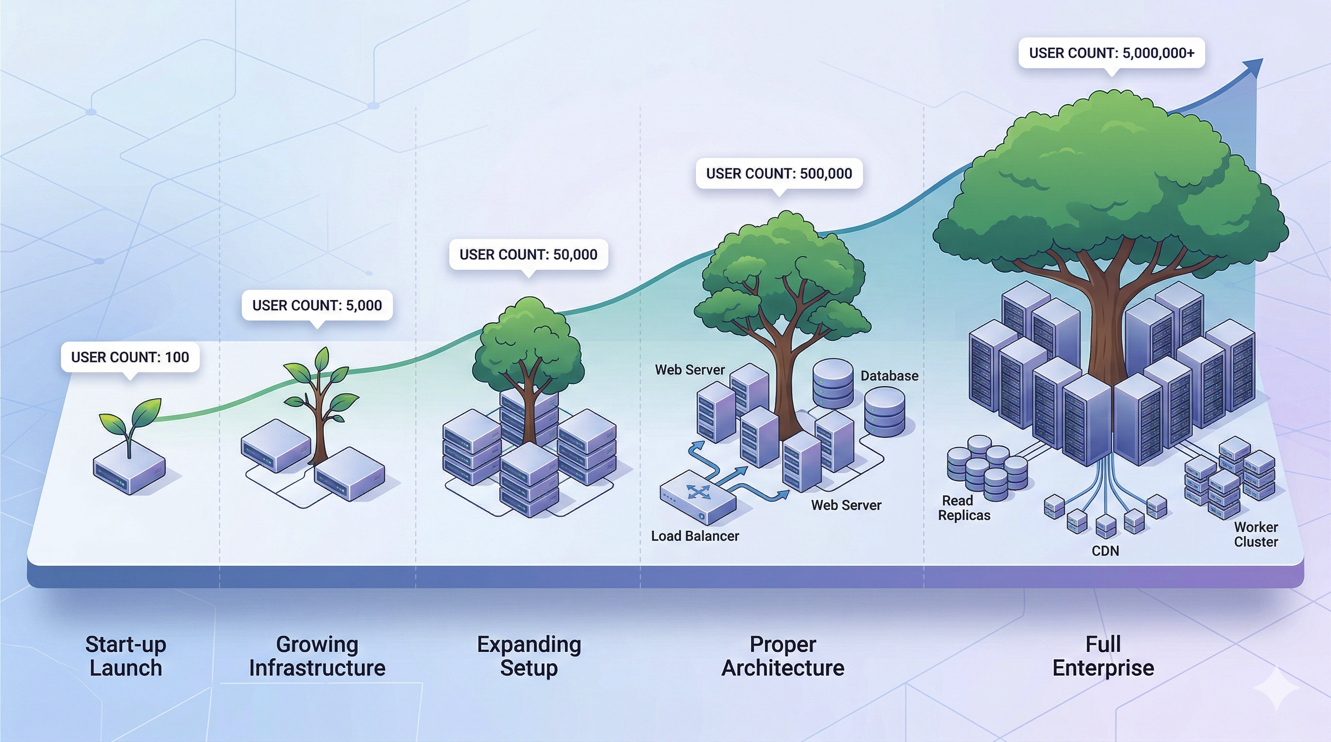
Scaling Laravel from 1 to 100,000 Users: A Deploynix Infrastructure Playbook
A practical infrastructure playbook for scaling your Laravel application from launch to 100,000 users using Deploynix server management.
Laravel deployment tutorials, server management guides, and hosting best practices from the Deploynix team.
A practical infrastructure playbook for scaling your Laravel application from launch to 100,000 users using Deploynix server management.
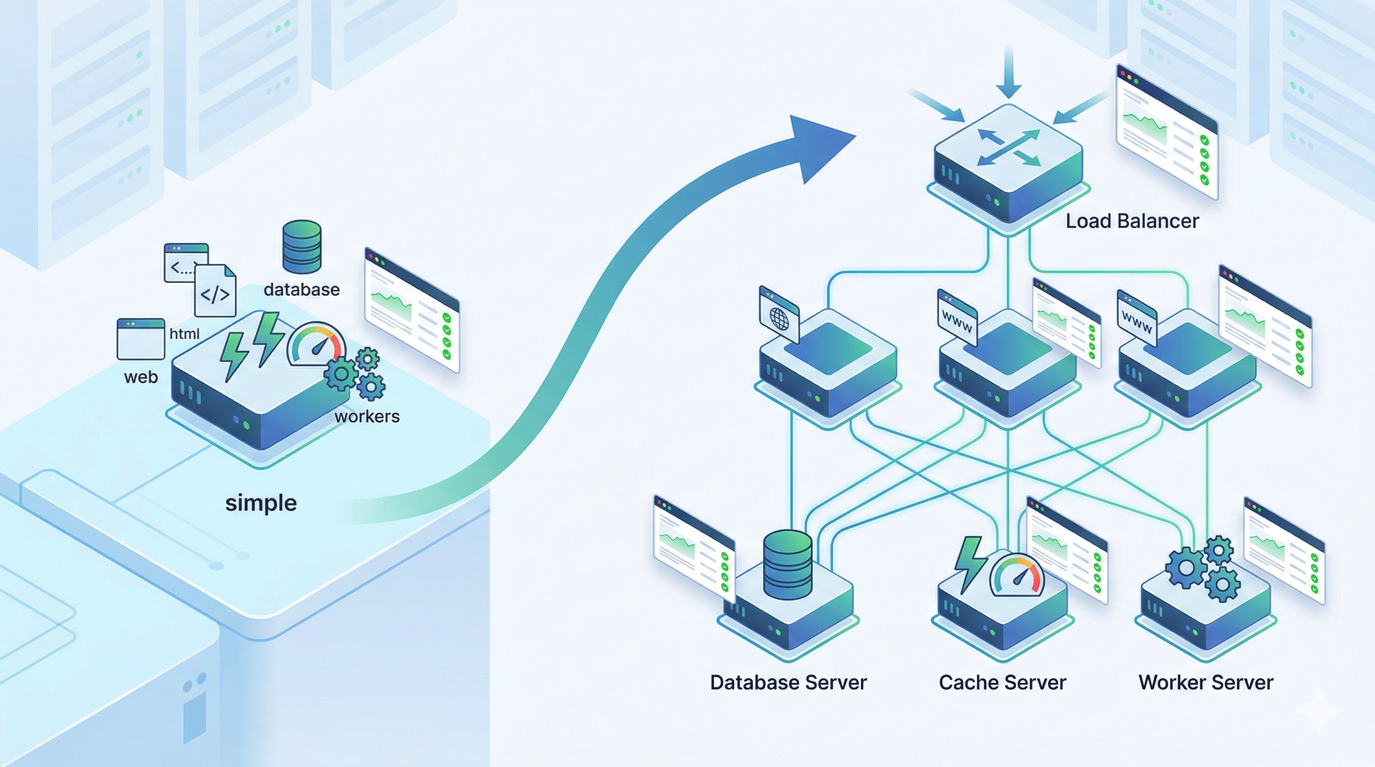
Learn when to move from a single server to multi-server Laravel architecture. Split database, cache, workers, and web tiers with Deploynix.
Learn what metrics to monitor in your production Laravel app — CPU, memory, disk, queues, and database — and when alerts mean real trouble.
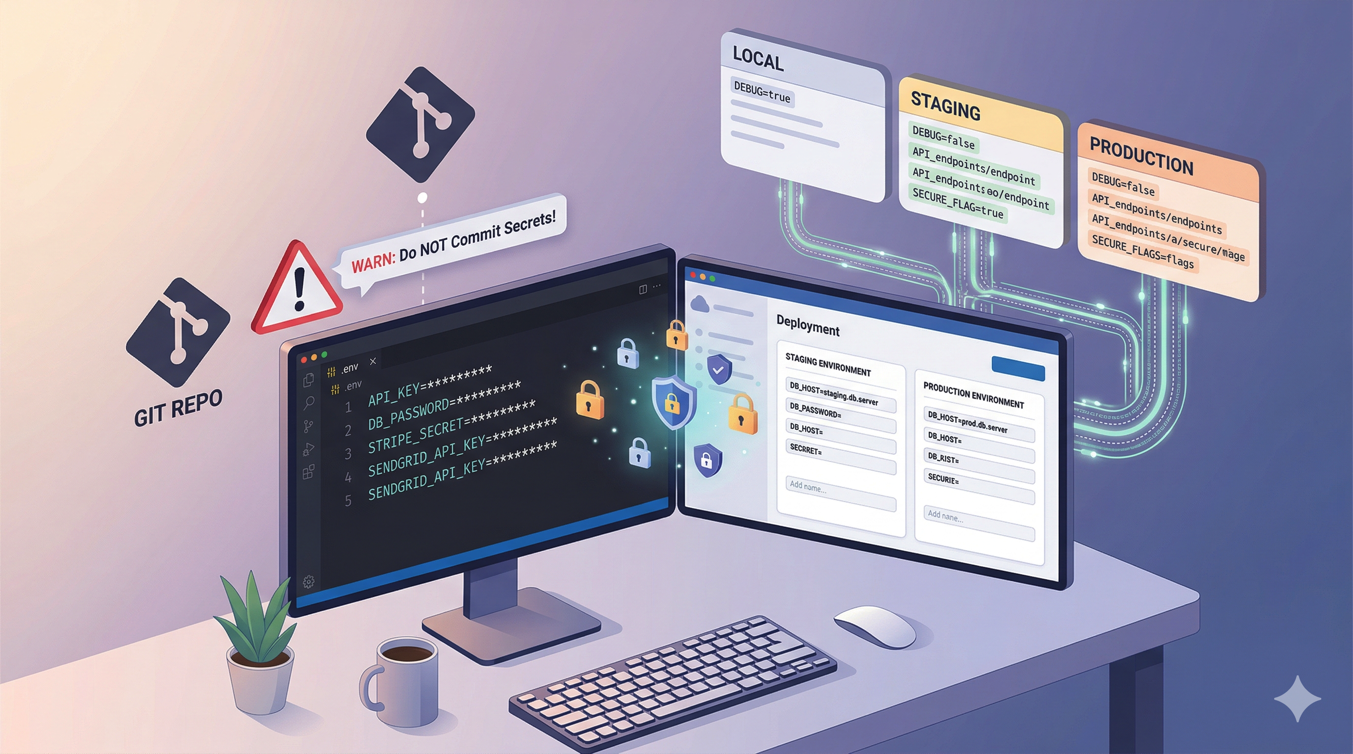
Avoid common .env mistakes in Laravel. Learn how to manage environment variables across staging and production with Deploynix.
Which cloud provider is best for Laravel in 2026? We compare DigitalOcean, Vultr, Hetzner, Linode, and AWS on pricing, latency, regions, and Laravel ecosystem support. With real cost tables.
Learn how to secure your Laravel deployment with SSH key management, firewall rules, and encrypted credentials. A practical guide for production servers.
Host up to 2 client Laravel apps for free with Deploynix. Learn how freelancers can use the free tier, vanity domains, and one server for professional hosting.
Learn how agencies manage client projects on Deploynix with organizations, role-based access, team server assignments, and member invitations.
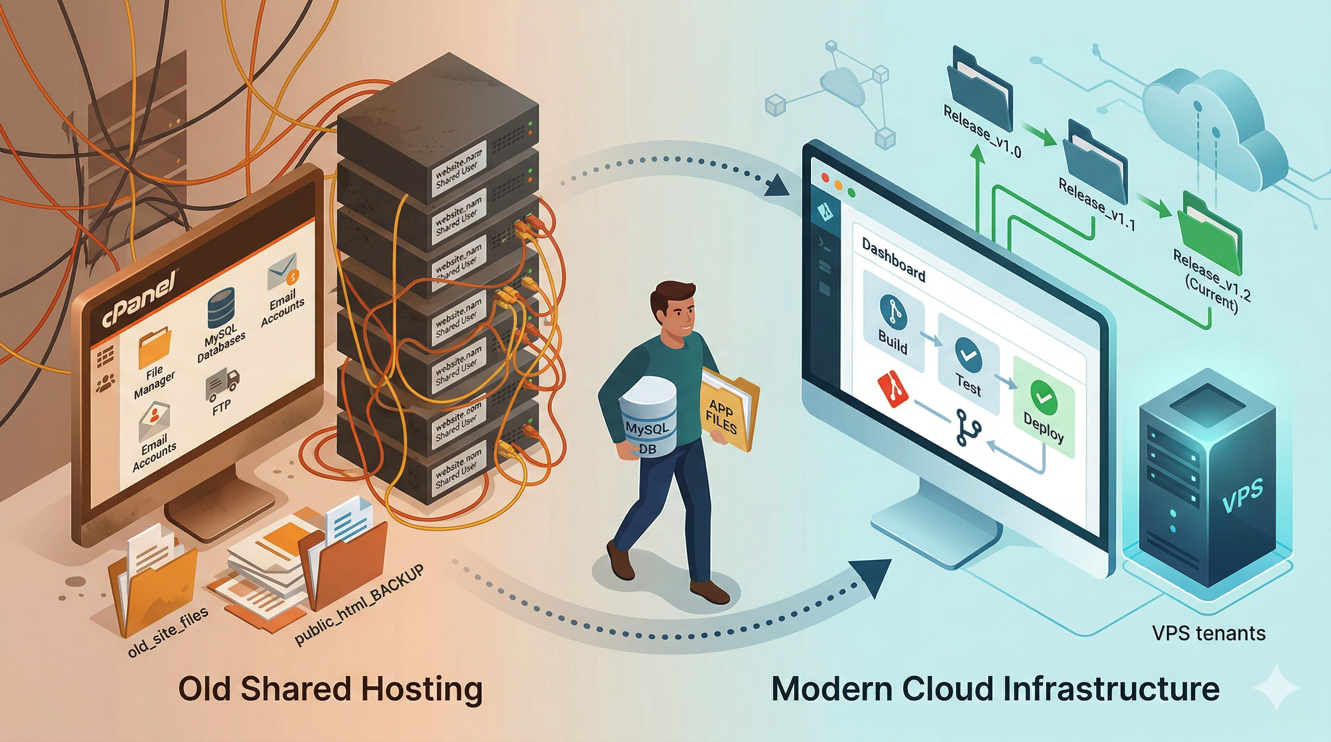
Migrate your Laravel app from shared hosting or cPanel to Deploynix. A complete guide covering DNS, database export, environment setup, and going live.
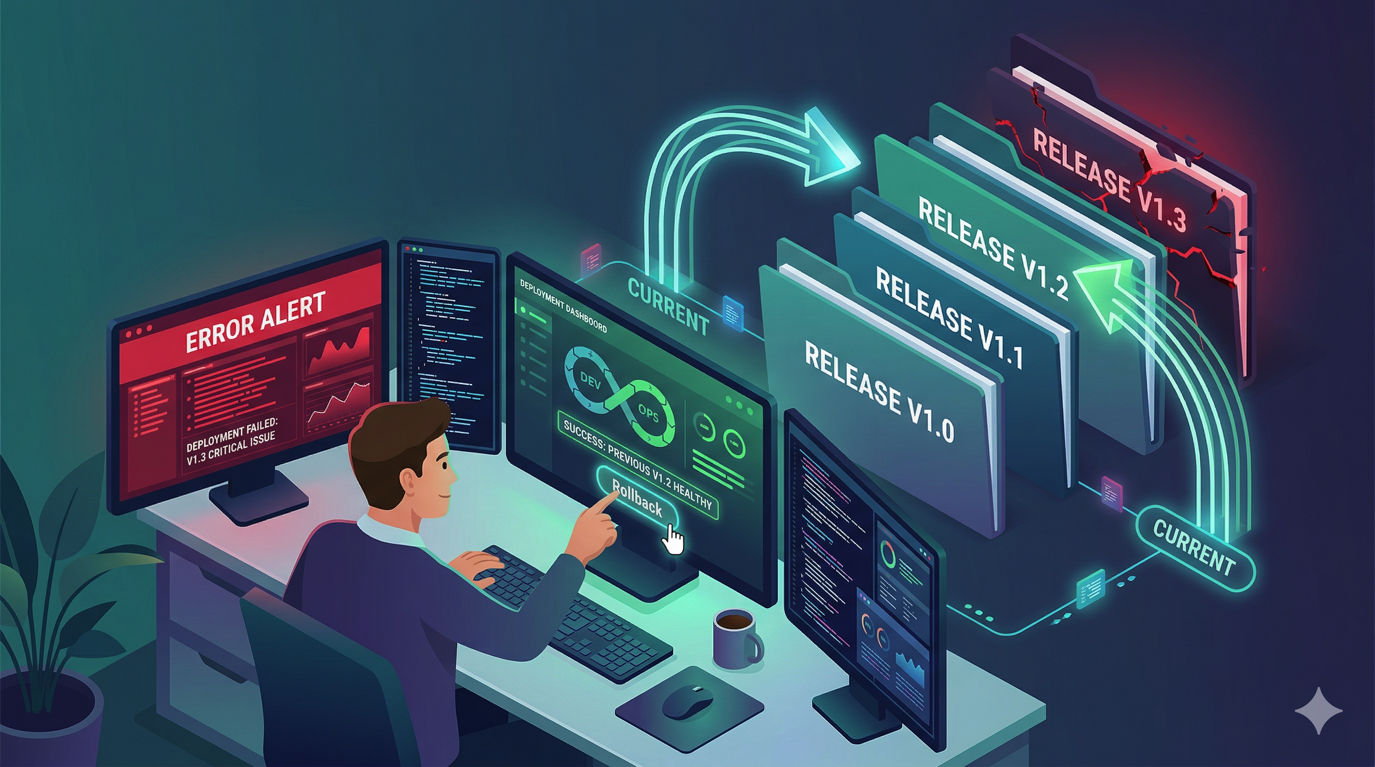
Learn how to roll back a failed Laravel deployment in 30 seconds with Deploynix. Understand release directories, symlinks, and one-click rollback.
Set up Meilisearch on Deploynix with Laravel Scout for fast, typo-tolerant search. Provision a server, configure indexing, and tune search relevancy.
Step-by-step guide to deploying Laravel Octane in production. Covers FrankenPHP, Swoole, and RoadRunner with systemd configs, Nginx reverse proxy setup, and zero-downtime worker restarts.
Deploynix handles server provisioning, zero-downtime deployments, SSL, and monitoring — so you can focus on building.